Why the Best Nights Often Begin at a Bar NYC
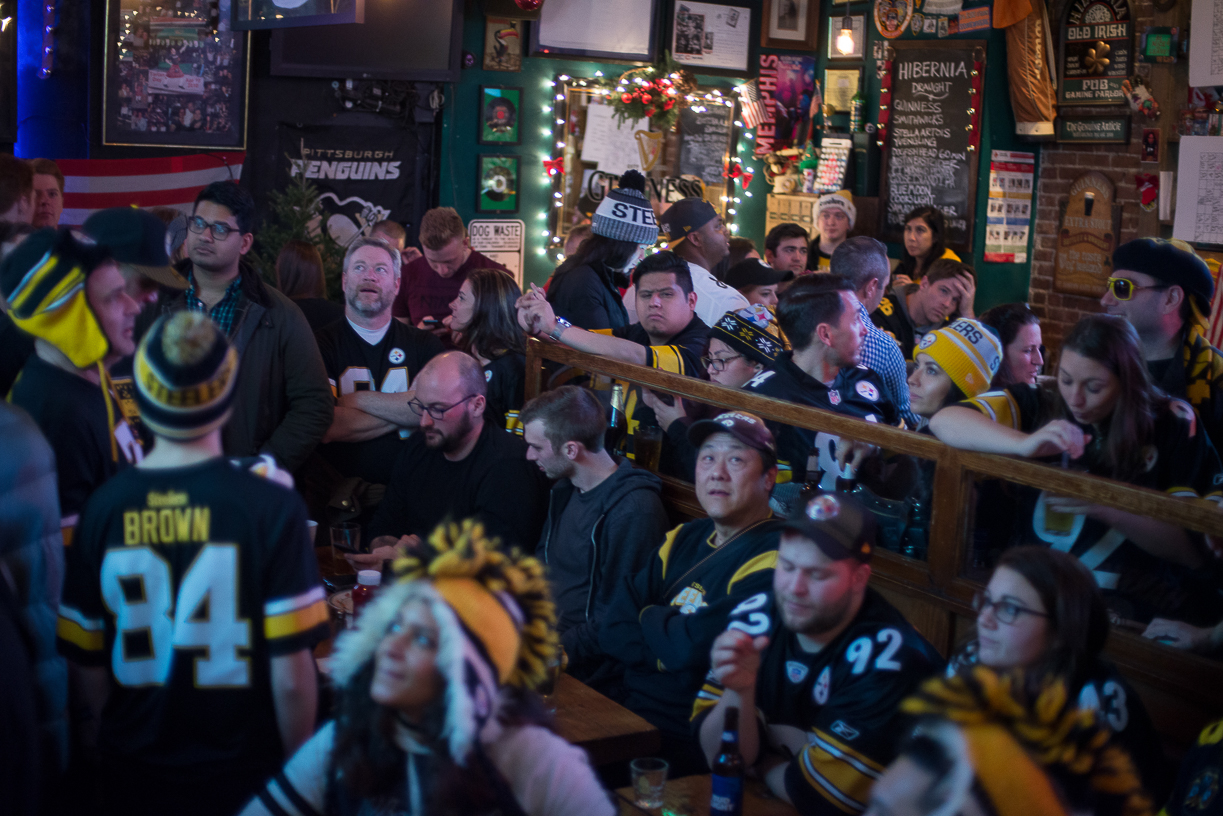
New York rewards momentum. A dinner reservation can be flawless, a concert can be sold out, a rooftop can be packed with the right people on the right evening, yet the real hinge of the night often turns much earlier, in a bar. Not necessarily the loudest room, or the most expensive, or the one with the hardest reservation to get. Often it is simply the right bar, at the right hour, with enough life in it to wake people up and enough breathing room to let the evening choose its own direction.
That is why so many memorable nights in this city begin at a bar NYC regulars trust. The bar acts as a threshold. It gets people out of work mode, out of commute mode, out of the practical rhythms that define most weekdays. It also solves a problem that New York creates better than almost any place else: there is too much to do, and the options can overwhelm the night before it starts. A good bar narrows the field without limiting possibility. It gives structure without locking anyone into a fixed plan.
People who live here long enough learn to respect that role. The first stop is not just a staging area for what comes next. In many cases, it is what determines whether anything good comes next at all.
The first drink changes the city
By seven o'clock, New York can feel impatient. Sidewalks thicken, restaurants pulse at the door, train platforms swell, group texts become negotiations. Someone is late downtown, someone else got stuck in Midtown, another friend changed outfits twice and is still undecided. The city puts pressure on a night before the group has even met. A bar softens that pressure almost immediately.
The mechanics are simple. A bar does not require the synchronized arrival that dinner does. It does not punish delays in the same way a ticketed event does. It accommodates drift. One person gets there early and claims a corner of the bar. Another arrives twenty minutes later. A third joins after finishing a client call. Nobody has ruined the evening. In a city where timing slips by the minute, that flexibility matters more than people admit.
There is also a shift in sensory experience. Outside, New York pushes. Inside a good bar, it holds. Lighting drops, sound becomes selective, glasses hit wood, ice cracks, citrus oils lift into the air. The city is still present, but mediated. The effect is not only atmospheric. It gives people a second to become themselves again. Office voices disappear. So do the brittle edges that can cling to people after a long day. Conversation opens up because the room itself grants permission.
I have seen this happen in every kind of setting, from narrow East Village cocktail rooms to old-school neighborhood spots in Brooklyn where the bartender knows half the stools by name. A group can walk in scattered and preoccupied, then walk out ninety minutes later with a plan they did not know they had. That is not an accident. It is one of the oldest social functions a bar serves, and New York still does it exceptionally well.
Why bars work better than overplanned itineraries
The fantasy version of nightlife is often highly scripted. Drinks at one place, dinner at another, then a set, then a private room, then late-night food. On paper it looks efficient and glamorous. In practice, especially in New York, it can feel like project management with coats.
Overplanning ignores how much a great night depends on tempo. Some groups need forty minutes to warm up. Others catch fire in ten. Some nights call for a second stop with music and movement. Other nights are better served by staying put, ordering another round, and letting the table deepen into the kind of conversation that only appears when nobody is rushing.
A bar is useful because it reveals the group’s actual energy level instead of the imagined one. Within the first drink, you can usually tell whether the night wants to be expansive or intimate, polished or messy, early or late. That is valuable information. It saves people from forcing themselves into the wrong setting.
The best hosts in New York understand this instinctively. They do not drag friends through five neighborhoods trying to fulfill an itinerary built in a notes app at noon. They pick a first bar with options nearby. If the room is lively and everybody settles in, they stay. If the chemistry is flat, they pivot. If appetite kicks in, they walk to dinner. If the room unexpectedly gets electric, dinner becomes secondary and nobody feels cheated.
That flexibility is a form of expertise. It reads casual, but it usually comes from experience.
The city’s bars are social instruments, not just places to drink
There is a reason people celebrate promotions, recover from breakups, start dates, salvage dates, make introductions, close deals, and reconnect with old friends in bars. It is not merely because alcohol is served there. The better reason is that bars are structured to create manageable forms of contact.
At a restaurant, the script is more fixed. You sit. You order. You remain in your assigned orbit. At a club, the energy can be thrilling, but it is often too blunt for the beginning of a night. A bar sits between those poles. It allows interaction without demanding it. You can lean into the room or hold back from it. You can speak privately at the end of the bar or strike up a conversation while waiting for a second round.
That middle ground is especially important in New York, where people are often looking for both connection and plausible deniability. They want something to happen, but they do not want to appear to be trying too hard. A bar solves that tension elegantly. It gives strangers a reason to be near one another, regulars a reason to return, and groups a place to unfold without too much pressure.
A seasoned bartender can shape this in subtle ways. Good bartenders do more than pour drinks. They regulate pace, read social temperature, make introductions when appropriate, and protect a room from tipping into chaos. In crowded neighborhoods, that skill can be the difference between a night that coheres and one that fragments. People talk about atmosphere as if it emerges spontaneously, but atmosphere is often managed in plain sight by professionals who know how to hold a room together.
Not every bar NYC offers is right for every night
This is where judgment matters. Saying that the best nights begin at a bar does not mean any bar will do. New York has too many styles of drinking rooms for that kind of lazy generalization. Choosing the wrong first stop can flatten a night before it has a chance to breathe.
A sleek cocktail lounge with a reservation system and a meticulous menu might be perfect for two people catching up after years apart. The same room could suffocate a loose group of six that wants movement, noise, and spontaneity. A neighborhood dive with cheap beer and no pretense can be ideal for a birthday pregame, but less useful for a first date where both people are trying to hear each other. A sports bar full of playoff energy can be euphoric on the right night and impossible on the wrong one.
The experienced move is to match the bar to the purpose, while leaving some room for surprise. That sounds obvious, but people regularly miss it. They choose based on trend, on social media, or on what looked appealing in daylight when they made the plan. Nightlife is less forgiving than that. A room has to fit the actual evening, not the fantasy of the evening.
One practical test is to ask what the bar allows after the first thirty minutes. Can people comfortably stay for two rounds? Can they move somewhere else nearby if needed? Is the music level low enough at the beginning and high enough later, or at least appropriate for the group? Is ordering smooth, or does the bar create friction with every drink? A night can survive mediocre décor. It rarely survives bad flow.
Neighborhoods shape the beginning differently
Part of the romance of starting at a bar in New York lies in how strongly neighborhoods define the night’s opening act. A first drink in the West Village does not feel like a first drink in the Lower East Side. Williamsburg creates a different kind of drift than Flatiron. Harlem carries its own cadence. So does Long Island City. Even within Manhattan, the blocks matter.
Downtown often favors movement. People are willing to bounce, meet others, extend plans, and absorb some unpredictability. In that setting, the opening bar works best when it has kinetic energy but does not swallow the entire night. You want enough activity to create lift, not so much that your group cannot get oriented.
Uptown or in more residential pockets, the first bar may serve a different role. It can anchor rather than launch. The room might be more local, more conversational, more rooted in repeat customers than in scene-chasing. Nights that begin there often gain depth through continuity instead of velocity. You are less likely to stumble into a dramatic reinvention of the plan. You are more likely to find a groove and stay with it.
Brooklyn complicates the old Manhattan script in useful ways. In many parts of Brooklyn, the first bar is not simply a prelude. It is often the main event because the room itself has enough personality, food, music, or neighborhood allegiance to sustain hours. That changes how people drink and socialize. They settle earlier. They claim space. They let the night become more about the company than about chasing the next venue.
There is no universal hierarchy here. The right answer depends on age, mood, season, budget, and whether your group actually wants discovery or just says it does.
The economics of a good start
A bar can also make a night more manageable financially, which matters in a city where a casual evening can turn expensive faster than people expect. Starting at the right place allows people to calibrate spending before the night runs away from them. One cocktail in a polished room might be worth it if the ambiance sets the tone and the next move is simpler. On another night, beginning at a lower-key neighborhood spot preserves budget for dinner, tickets, or a late ride home.
People sometimes treat this as unromantic, but it is part of adult nightlife. Cost affects comfort. If half the group is quietly calculating whether one more round means skipping dessert later, the mood shifts. Better to choose an opening bar that fits the spending reality of the people involved. New York offers every price band, from old taverns with straightforward pours to high-design rooms where one drink costs what an entire evening cost a generation ago. Neither category is inherently better. The question is whether the room buys you something worth the price, such as ease, atmosphere, convenience, or genuine quality.
There is also value in understanding where splurging pays off. In my experience, spending more at the beginning can make sense when the room solves several problems at once: central location, reliable service, reservations or manageable entry, and enough surrounding options to keep the night flexible. Spending more for a famous name alone rarely delivers the same return.
First dates, reunions, and birthdays all start differently
The line that a great night begins at a bar is true across occasions, but the bar’s job changes depending on who is walking in.
For first dates, the ideal opening bar creates intimacy without confinement. You want enough structure that nobody feels exposed, but enough movement that silences do not become catastrophic. Seats at a bar often work better than a tiny two-top because there is a natural rhythm to ordering, observing the room, and easing into conversation. If the date goes well, it can stretch. If it does not, the bar offers a shorter runway and a cleaner exit than a full dinner.
For old friends reuniting, especially in New York where schedules are absurd and people can go months without seeing each other despite living a few subway stops apart, the first bar should privilege hearing one another. Nostalgia needs air. So do life updates. A place with excellent drinks is nice, but a room where people can speak at ordinary volume often matters more.
Birthdays are their own category because they expose the host’s style. Some hosts want a command center, one bar where people can flow in and out all night. Others want a launchpad before moving on to dinner or dancing. The risk with birthday planning is trying to satisfy too many social circles at once. The opening bar helps when it is easy to find, easy to enter, and forgiving of staggered arrivals. It hurts when it is precious, cramped, or so scene-driven that guests spend half the night at the door or shouting over each other.
A simple way to think about it is this:
- If the night depends on conversation, choose comfort over spectacle.
- If the night depends on momentum, choose energy over perfection.
- If the group is mixed, choose flexibility over trendiness.
- If nobody can agree on a plan, pick the bar with the best nearby options.
- If the stakes feel unusually high, simplify the first stop instead of elevating it.
This kind of judgment prevents a lot of disappointment.
The underestimated power of the regular spot
Not every great night starts at a destination bar. Some begin in the kind of place people hesitate to recommend because it feels almost too ordinary on paper. No secret entrance. No concept. No famous menu. Just a room that consistently works.
Regular spots matter because familiarity removes friction. You Bar NYC know whether to sit at the bar or head for the back. You know which nights the place fills up. You know whether the martini is reliably cold, whether the fries are worth ordering, whether the music rises too aggressively after nine. That information is more valuable than novelty when your real goal is to create the conditions for a good night.
New Yorkers who entertain well often rely on these rooms. They are not trying to impress with a scavenger hunt of buzzy addresses. They are trying to control variables. A trusted bar lets them do that. It is easier to host when the first environment is legible. People relax faster when they sense that someone chose the place for a reason other than image.
There is also an emotional dimension. Regular bars accumulate memory. The stool where you heard someone got engaged. The booth where a friend confessed they were leaving the city. The corner where you waited out a thunderstorm and ended up staying until close. New York changes constantly, which makes continuity feel rare and expensive. A familiar bar provides continuity in a city that otherwise likes to erase itself and rebuild.
Timing matters more than people think
An excellent bar at the wrong hour can feel dead or punishing. A decent bar at the right hour can become exactly what the night needed. This is one of the least glamorous truths about nightlife and one of the most useful.
Early evening bars often perform a social reset. They are ideal for catching up, gathering a group, and deciding what comes next. The room is still forming. Bartenders usually have more bandwidth. Seats are easier to find. Energy is rising rather than already peaked.
Later, the same room may become too loud to function as a beginning. This is where many nights stumble. People choose a bar based on its reputation at ten-thirty, then try to use it as a launch point at eight, only to discover that its strengths appear later. The reverse happens too. Some bars are superb from six to eight and lose their shape once the crowd thickens.
If you pay attention, New York teaches these timing lessons quickly. The hard part is resisting the urge to treat every popular place as equally useful at every hour. It rarely is.
What to look for when choosing the first stop
Most people overvalue aesthetics and undervalue logistics. A photogenic room can still be a terrible place to start a night if ordering takes forever, if the host stand is overwhelmed, or if the space makes groups feel fragmented. The practical details matter because they shape mood long before anyone comments on them.
A strong opening bar usually offers some combination of the following:
- A location that is fair to most of the group, or at least well connected.
- A service model that does not create bottlenecks every fifteen minutes.
- Enough atmosphere to feel like a night out, without drowning conversation.
- A drink menu broad enough for different tastes, including the person who wants nothing fancy.
- Good exit options, whether that means nearby restaurants, music venues, or reliable transportation.
None of this is exotic. That is the point. Memorable nights often depend on decisions that seem almost boring in advance. Then the evening starts, and those choices reveal their wisdom.
Why the opening bar still matters in a city full of alternatives
There are endless substitutes now for how people gather. Private dining rooms, curated experiences, members clubs, pop-ups, rooftops, tasting menus, event spaces designed to collapse leisure into something more brandable. Some are genuinely excellent. Yet the traditional bar remains the most durable beginning because it asks less while offering more.
It asks less commitment. Less money up front. Less certainty. Less performance. In return, it offers social elasticity, immediate atmosphere, and a shared tempo that can adapt in real time. Few formats are as forgiving or as generative. That matters in New York, where people are busy, overstimulated, and often half an hour away from changing their minds.
A bar is also one of the last places where a night can still surprise you without feeling engineered. You may run into someone you know. You may meet someone new. You may discover that the plan you Bar NYC thought you wanted was weaker than the one unfolding naturally in front of you. Cities need spaces like that. So do people.
The best nights rarely announce themselves at the start. They begin quietly, with a text that says running five late, with coats slung over the backs of stools, with a bartender sliding over the first round, with that subtle but unmistakable moment when the day drops away and the room takes over. In New York, that moment often happens in a bar before it happens anywhere else.
That is why the smartest answer to what makes a night work is so often the simplest one. Start at the right bar NYC has to offer for the people, the hour, and the mood. Let the city meet you there. Then give the evening enough room to become itself.
Hibernia Bar
401 W 50th St
New York, NY 10019
(212) 969-9703
FAQ About Bar NYC
What is there to do in Hell's Kitchen, NYC?
Explore the restaurants and bars along Ninth Avenue, catch a Broadway show nearby, or visit the Intrepid Museum on the Hudson River. Hibernia Bar is at West 50th Street and Ninth Avenue, a convenient stop before or after a show.
What are some bars in New York City that serve good food?
Hibernia Bar in Hell's Kitchen serves wings, burgers, fish and chips, and shepherd's pie. Its kitchen lists a 2 a.m. closing time, which makes it an option for dinner after a show or a game.
How far is Hell's Kitchen from Times Square?
Hell's Kitchen is just west of Times Square. From Broadway and West 45th Street, Hibernia Bar is roughly 0.6 miles away, or about a 12-minute walk depending on crowds.