Best Bar NYC Spots for Networking and Social Events
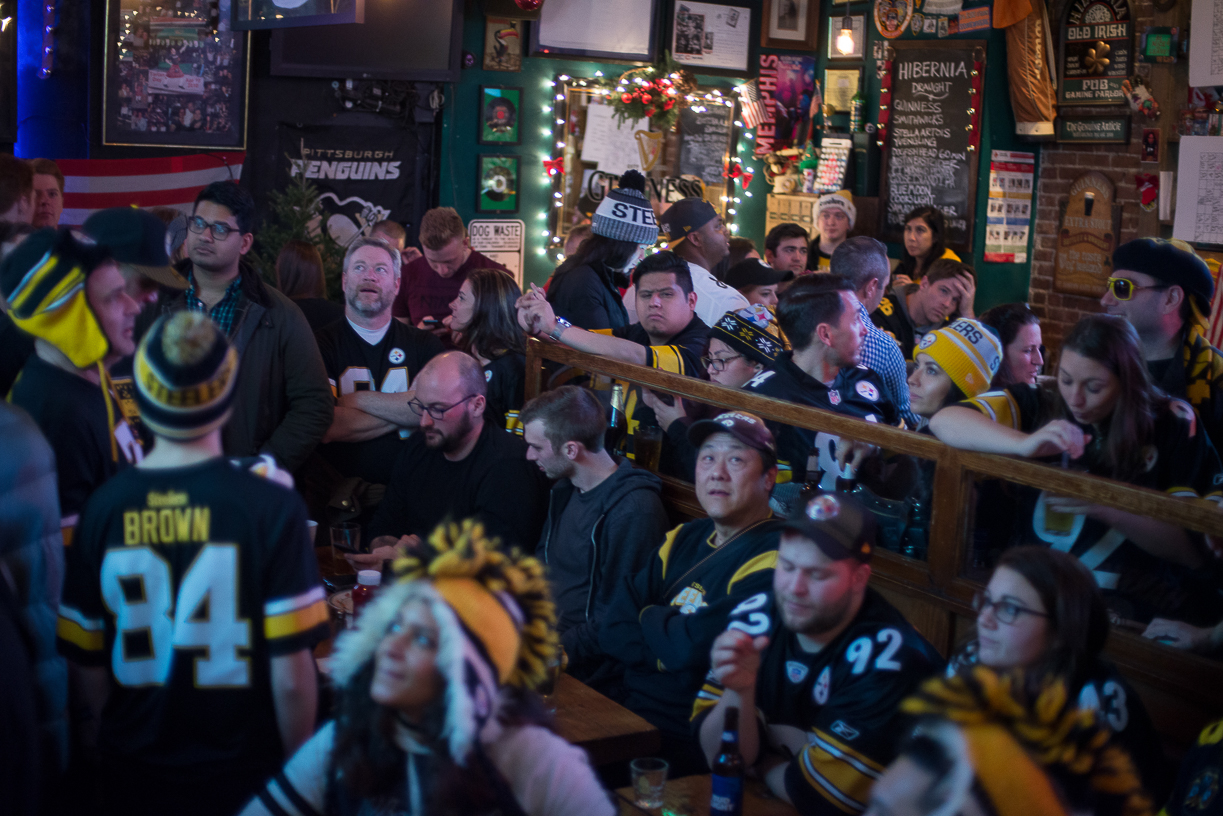
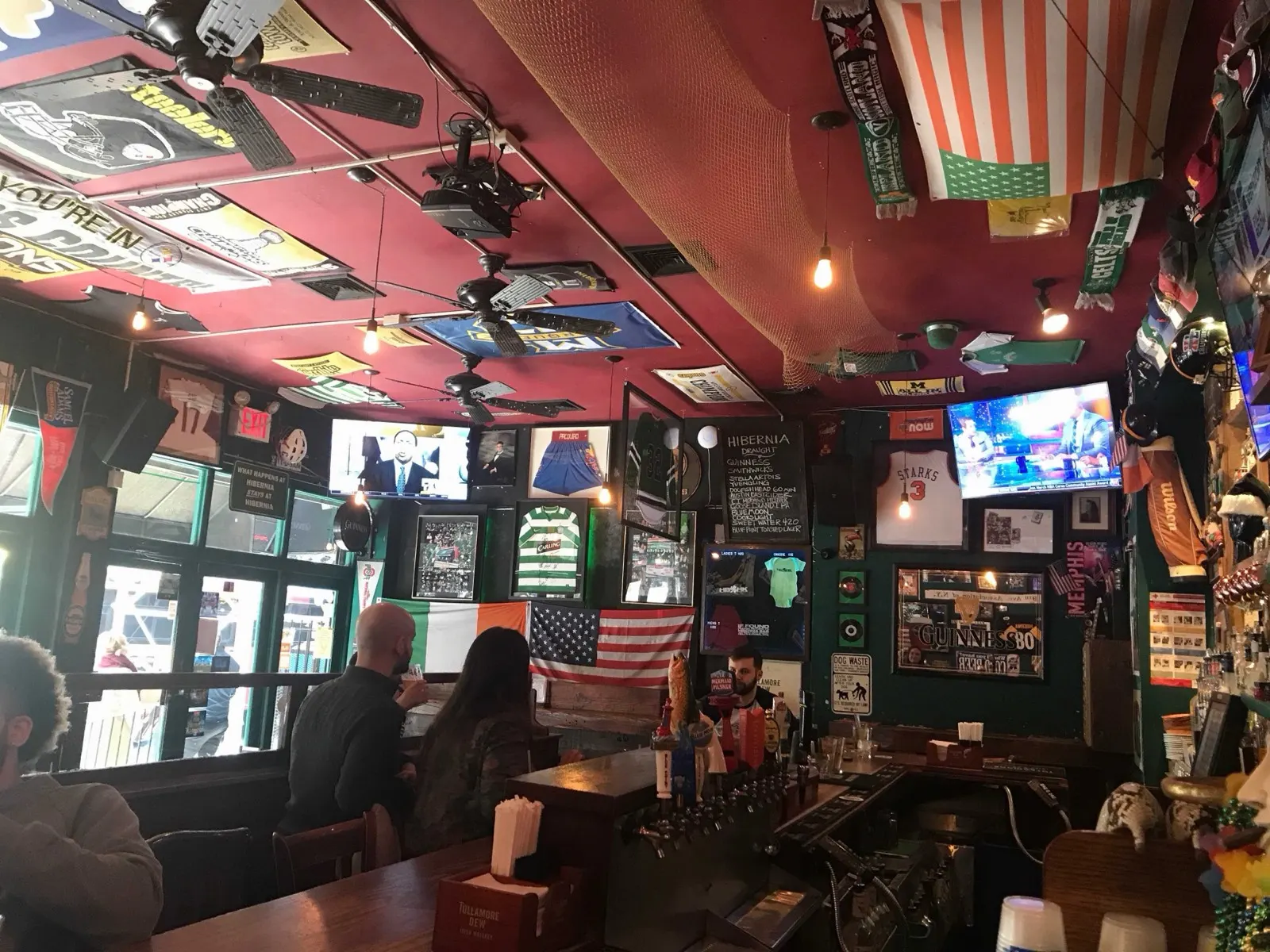
New York rewards people who know how to choose a room.
That sounds obvious until you spend a few years taking meetings over drinks, hosting client gatherings, joining founder happy hours, and watching the same pattern play out over and over. The right bar can turn a stiff introduction into a real conversation. The wrong one can bury every sentence under bass, crowd your group into a doorway, and send everyone home after one overpriced round. When people search for the best Bar NYC options for networking and social events, they are usually asking a more practical question: where can I bring smart, busy people and trust the space to do part of the work for me?
A useful networking bar in New York is not always the most fashionable one. It is the place where people can arrive from different neighborhoods without resenting the trip, where lighting flatters rather than obscures, where the music sits in the background, and where no one has to shout a job title across the table. Service matters more than people admit. So does layout. Banquettes, standing ledges, and a bar team that can pace a large group without slowing down all make a difference.
The city offers every kind of scene, from hushed hotel bars in Midtown to packed rooftops downtown. What follows is not a ranking for tourists chasing a cinematic Manhattan night. It is a field guide for professionals, hosts, and connectors who want a Bar NYC shortlist that actually works when relationships, reputation, and timing matter.
What makes a New York bar good for networking
A networking bar succeeds when it reduces friction. People often think in terms of aesthetics first, but function usually decides whether an event feels effortless or strained. The strongest venues handle a simple set of needs remarkably well: access, acoustics, seating, service, and social energy.
Access sounds boring until half your guest list is coming from offices near Bryant Park, the other half from Flatiron or Brooklyn, and everyone has exactly 75 minutes before another commitment. That is why central locations consistently outperform trendier but less convenient destinations for weekday gatherings. Midtown bars keep earning business because they fit the rhythms of work life, not because they are glamorous.
Acoustics are even more important. There is a reason seasoned event hosts will take a slightly less exciting cocktail menu in exchange for lower volume and better spacing between tables. Networking depends on hearing small verbal cues, names, firms, opportunities, hesitations. If guests have to lean in every thirty seconds just to catch half a sentence, people default to talking only with whoever they arrived with. The room stops mixing.
Then there is the social temperature. Some bars feel too formal, almost interview-like. Others are so chaotic that conversation never settles. The sweet spot is energy without disorder. You want enough movement in the room that guests feel they are somewhere lively, but not so much pressure that they rush through a drink and leave.
The hotel bar advantage, especially for mixed groups
When a client asks me where to gather ten to twenty people who may not know one another well, I often start with hotel bars. They are not always the coolest answer, but they solve a lot of problems at once. They tend to be easy to find, easier to reserve, and better trained for guests who are coming and going on staggered schedules.
In New York, hotel bars also attract a useful blend of people. You get local executives, travelers in town for conferences, media people meeting sources, and teams decompressing after a long day. That mix creates social permission. A guest who arrives alone does not feel conspicuous, which matters more than most hosts realize. In more scene-driven bars, people can feel exposed while waiting for their group, especially if they are older than the average crowd or dressed for work rather than nightlife.
The best hotel bars in Manhattan also know how to handle business tabs, partial arrivals, and the common last-minute request for “just a little more space.” That operational competence is not glamorous, but it is valuable.
The Polo Bar area effect, without the reservation fantasy
The area around Midtown East and Rockefeller-adjacent corridors remains one of the most reliable zones for business-social crossover. Not every group needs the mythic reservation at a celebrity magnet. In fact, many professionals do better at nearby rooms that offer polish without theatrical exclusivity.
In these pockets, you can find bars where finance professionals, media executives, luxury retail teams, and law firm partners all feel at home. The crowd skews purposeful. People come dressed with intent, arrive after work, and often stay for one or two rounds before dinner. That tempo supports networking because conversations begin with clarity. Nobody is trying to outlast the night.
What you sacrifice is downtown spontaneity. These spaces can feel somewhat transactional if your event needs a looser creative energy. For investor introductions, agency-client relationship building, or alumni mixers with a senior professional crowd, that is usually a fair trade.
Midtown bars that are actually useful
Midtown gets mocked by people who only go out below 14th Street, but for professional events it keeps proving its worth. The strongest Bar NYC choices for work-adjacent gatherings are often in Midtown because they recognize a simple truth: adults with calendars need convenience.
Look for bars near Bryant Park, Nomad, and the upper edge of Flatiron if you want access from multiple subway lines and a polished after-work crowd. In these areas, many venues are large enough to host a semi-private gathering without forcing your group into a back room that kills atmosphere. You can still feel part of the city, which helps guests stay longer.
One recurring advantage of Midtown is predictability. If you host often, predictability becomes a feature, not a flaw. You learn which spaces hold noise at a manageable level on Tuesdays versus Thursdays. You know where a group of six can expand to twelve without chaos. You know which bar will quietly replace empty glassware without treating your event like a nightclub table service operation. Familiarity lets the host focus on people rather than logistics.
There is a downside. Some Midtown bars empty out abruptly after 8 p.m., especially in office-heavy corridors. If your social event is meant to build momentum deep into the evening, that drop-off can flatten the mood. For events that need a second act, a Midtown start followed by a downtown migration often works better than trying to force one venue to do both jobs.
Nomad and Flatiron, the sweet spot for stylish but practical gatherings
If I had to pick one Manhattan zone that most consistently balances style and utility, it would be the broader Nomad and Flatiron area. You get enough design consciousness to make the night feel considered, but not so much trend pressure that guests become self-conscious. The bars here often understand pacing. They can accommodate someone dropping in straight from a board meeting and someone else arriving from a creative studio without making either feel out of place.
This part of the city also offers an unusually good range of event formats. You can host a compact happy hour for startup founders, a publishing mixer, a recruiting event for professional services, or a birthday-adjacent social gathering where networking is part of the point. The rooms vary, but many strike a useful balance between seated comfort and standing circulation.
Another overlooked advantage is food. In practical terms, events go better when people can order something substantial without switching venues. A proper menu keeps the night from collapsing into that awkward moment where half the group wants dinner, half wants another drink, and nobody wants to organize a move. Bars with strong kitchens often hold the room longer, which gives slower-forming conversations time to become meaningful.
Downtown for chemistry, if you can manage the chaos
Downtown Manhattan can be magical for social energy. It can also be punishing for anyone trying to host with intention.
Neighborhoods like SoHo, the West Village, and the Lower East Side offer bars that are excellent for chemistry. People tend to be more relaxed, more exploratory, and more willing to mingle outside their professional lane. If your event is for creatives, founders, investors in consumer or media, or a younger membership community, that looseness can be a major asset. The best conversations in these settings often wander beyond work, which is usually where trust starts.
The challenge is control. Downtown bars are less forgiving when your numbers shift unexpectedly. Reservations can be tighter, standing space narrower, and noise more aggressive as the night goes on. It is also common for a room that feels Bar NYC ideal at 6:15 p.m. To become borderline unusable by 7:45. Hosts who are new to New York often underestimate how sharply a venue’s personality can change within ninety minutes.
That does not make downtown a bad choice. It just means timing matters. For a social event where mingling matters more than formal conversation, arriving earlier is often the difference between elegant and exhausting. If you are gathering people in a downtown Bar NYC setting, think 5:30 or 6:00 p.m. Rather than 7:30, unless your group specifically wants a nightlife edge.
Rooftops can impress, but they come with hidden costs
Rooftops are a classic New York move for out-of-town guests, and there is no denying their effect. Put people above the street with a skyline in view and the room gets an instant charge. For celebratory networking events, product-adjacent launch gatherings, and summer socials, that can be useful. A skyline loosens people up. It gives strangers an easy opening line and makes even routine business feel memorable.
Still, rooftops are often better for impression than depth. Wind, weather, crowded elevators, and high-volume playlists work against long, layered conversation. Many rooftops also attract a more transient crowd, which changes the feel of the room. Guests may spend more time looking around than locking into one discussion.
I have seen rooftops work well when the host is clear about the event’s purpose. If the goal is to create warmth, reward a team, or let clients experience New York with some sparkle, they can be excellent. If the goal is serious introductions among people who need to hear each other clearly and perhaps exchange concrete next steps, an indoor room with strong acoustics will almost always outperform the better view.
Brooklyn enters the conversation, selectively
For years, many Manhattan professionals treated Brooklyn as a social afterthought for work events. That is no longer true, but it still requires judgment. Williamsburg, Dumbo, and parts of Downtown Brooklyn now offer polished bars that can absolutely support networking, especially for tech, design, fashion, and media circles. Some guests even prefer them, finding Manhattan bars overly formal or repetitive.
The issue is not quality. It is guest alignment. A Brooklyn venue works best when the people attending already share some comfort with crossing borough lines. If your invite list includes busy executives staying in Midtown hotels, a Brooklyn location can quietly suppress attendance, no matter how attractive the space seems on paper. On the other hand, if your community already spends time in north Brooklyn, a well-chosen venue there can feel fresher and more relaxed than a default Manhattan hotel bar.
The strongest Brooklyn choices usually offer more generous spacing than Manhattan equivalents. That matters. A room where groups can split and recombine naturally often generates better networking than a cramped high-status venue where everyone is fighting for the same square foot of floor.
How hosts should choose, based on the event they actually have
The most common mistake is selecting a bar that matches the host’s taste rather than the group’s needs. Good hosting starts with honesty about what kind of night you are creating.
If the event is built around client development, choose a quieter room than you think you need. People underrate how much professionalism is conveyed by comfort. A place that allows uninterrupted conversation feels more confident than one that tries too hard to signal relevance.
If the event is for broad social mixing, a little more energy helps. Guests need enough ambient momentum that crossing between groups feels natural rather than awkward. In that setting, a room that is too hushed can make every interruption feel amplified.
If you are combining social and professional goals, which is what most New York events really are, aim for a venue where the first hour feels calm and the second can build. That usually means a bar with layered spaces: a front bar, side banquettes, perhaps a dining area nearby. Flexible architecture supports different personality types. Extroverts can circulate, while more deliberate guests can settle into meaningful conversation.
Here are five practical filters I use before recommending a spot:
- Can people hear one another without leaning across the table?
- Is the location realistic for at least 80 percent of the guest list?
- Does the room allow both standing mingling and seated conversation?
- Can the staff handle separate arrivals and fluid group size?
- Will the energy still suit the event ninety minutes after it starts?
That short checklist saves a lot of trouble. Most failed events break down on one of those points, not because the venue looked bad online.
The role of timing, which often matters more than the venue
A merely good bar at the right time can outperform a great bar at the wrong one. New York operates on compressed windows. A venue that is ideal from 5:30 to 7:00 can become impossible by 8:00. Hosts who understand that rhythm make better choices and seem more organized, even when they are doing nothing more than respecting the city’s flow.
For networking-heavy events, earlier usually wins. People arrive with focus, not fatigue. They still have enough mental bandwidth to meet someone new and remember the details. The room is more controllable, the staff less stretched, and departures feel professional rather than abrupt. By contrast, once a bar crosses into full evening mode, introductions tend to get shorter and groups more fixed.
There are exceptions. Entertainment, fashion, and certain startup circles sometimes warm up later. In those worlds, a 6:00 p.m. Invite can feel sterile. But even then, the best hosts often begin in a quieter environment before moving the group toward a livelier second venue. It is the conversational equivalent of staging a dinner party. You do not start with the loudest room.
Ordering, spending, and other details that shape the mood
Budget affects atmosphere more than people like to admit. If guests feel trapped in a place where every drink requires a strategic decision, the event tightens up. If spending is too loose and poorly managed, the host can look careless. The right middle ground depends on context.
For many professional events, wine by the glass, a few reliable cocktails, and easy access to food produce the best result. This is not the moment to lead with a hyper-concept menu full of obscure ingredients that slows ordering and invites mini lectures from the bartender. Familiarity helps people settle in and return to conversation quickly.
It also helps to think about pace. A fast first round is not a luxury. It sets the emotional tone. When guests stand around too long waiting for service, phones come out, side conversations harden, and the social fabric starts to split. A bar with seasoned staff can read a group and correct for this early. Less experienced teams often cannot.
For hosts reserving space, there are a few details worth confirming in advance:
- Whether the venue will hold space for late arrivals
- Whether there is a minimum spend or only a soft expectation
- Whether food can circulate without a formal private event package
- Whether the music level changes dramatically later in the evening
- Whether one contact person will be on duty when your group arrives
These are small questions with large consequences. They often matter more than the exact cocktail list.
Reading the room once people arrive
Even the best-planned venue requires live adjustment. Good hosts watch the room, not just their own conversations. If guests are clustering too tightly, pull a few people outward and widen the circle. If the music rises, suggest moving to a side area before everyone starts pretending they can hear. If one table has become too dominant, rotate gently by making introductions across it.
This is where experienced venues shine. In a strong Bar NYC setting, the staff notices signals. They may slide a small table into an empty corner, rebalance stool placement, or clear glassware before clutter builds. The goal is not luxury for its own sake. It is momentum. Social events thrive on ease.
I have seen modest bars outperform celebrated names because the room had better instincts. The host was greeted properly, guests were directed smoothly, and the environment encouraged movement without forcing it. Nobody talked about the venue all night, which is often the best sign. They talked to each other.
The best spot is the one that supports your purpose
People often ask for the single best networking bar in New York, as though one answer could serve every industry, age group, and event style. That is not how the city works. New York is too varied, and its bars are too shaped by neighborhood, hour, and crowd. The better approach is to think in categories.
For polished business networking, Midtown and hotel bars remain durable for good reason. For balanced social-professional events, Nomad and Flatiron often deliver the best mix of style and practicality. For chemistry and creative energy, downtown can be exceptional if you choose carefully and start early. For scenic impact, rooftops earn their place when the goal is memory rather than depth. For certain communities, Brooklyn offers some of the most comfortable rooms in the city.
A strong Bar NYC choice is not about chasing whatever is hottest this month. It is about matching room, timing, and guest list with enough precision that people can relax into the evening. When that happens, networking stops feeling like networking. It feels like a good night in New York, which is exactly when the best professional relationships tend to begin.
Hibernia Bar
401 W 50th St
New York, NY 10019
(212) 969-9703
FAQ About Bar NYC
What is there to do in Hell's Kitchen, NYC?
Explore the restaurants and bars along Ninth Avenue, catch a Broadway show nearby, or visit the Intrepid Museum on the Hudson River. Hibernia Bar is at West 50th Street and Ninth Avenue, a convenient stop before or after a show.
What are some bars in New York City that serve good food?
Hibernia Bar in Hell's Kitchen serves wings, burgers, fish and chips, and shepherd's pie. Its kitchen lists a 2 a.m. closing time, which makes it an option for dinner after a show or a game.
How far is Hell's Kitchen from Times Square?
Hell's Kitchen is just west of Times Square. From Broadway and West 45th Street, Hibernia Bar is roughly 0.6 miles away, or about a 12-minute walk depending on crowds.